
Smart Thermostats: Reduce Your Heating Bill by 20% This Winter
Ads
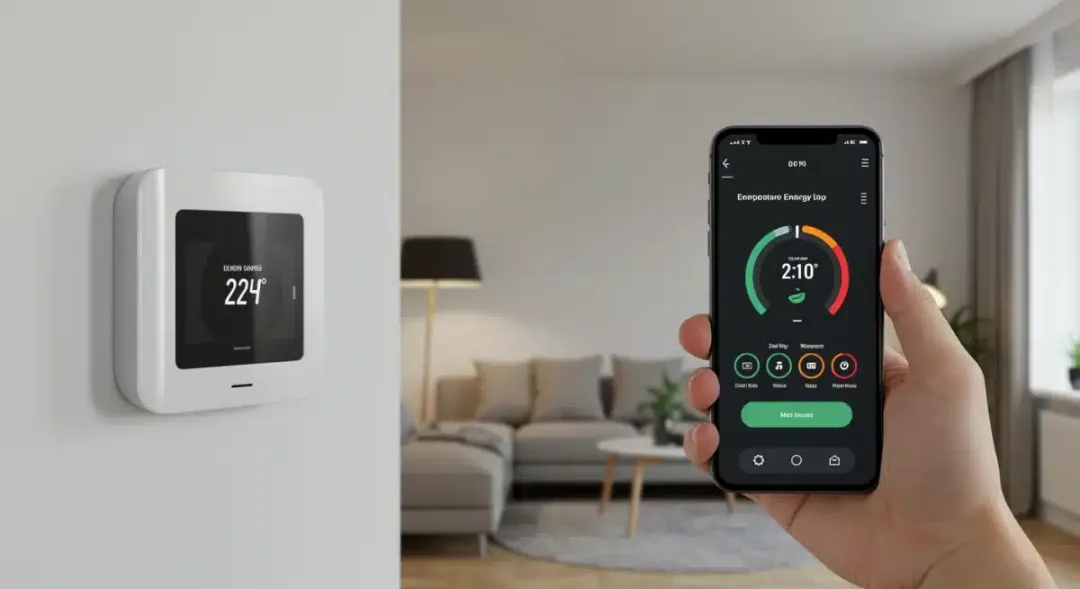
Smart thermostats reduce heating bills by up to 20% through learning algorithms, remote sensors, and optimized scheduling that adapt to your daily routine while maximizing energy efficiency.
Ads
Winter heating costs can take a significant bite out of your household budget, but what if there was a way to stay warm while spending considerably less? Smart thermostats have emerged as one of the most effective tools for US homeowners looking to cut their heating bills without sacrificing comfort. These intelligent devices learn your preferences, adapt to your schedule, and make automatic adjustments that can save you hundreds of dollars each heating season.
Ads
How Smart Thermostats Work and Why They Save Money
Understanding the mechanics behind smart thermostat savings helps you appreciate why these devices have become essential for modern homes. Unlike traditional thermostats that simply turn your heating system on or off based on a set temperature, smart thermostats incorporate sophisticated algorithms, sensors, and connectivity features that optimize your home’s energy consumption.
At their core, these devices track your daily patterns, learning when you wake up, leave for work, return home, and go to sleep. They use this information to create heating schedules that match your lifestyle, reducing energy waste during times when your home is empty or you’re sleeping under extra blankets. Most models also incorporate weather data, adjusting their performance based on outdoor temperatures and forecast changes.
The Technology Behind the Savings
Modern smart thermostats employ several technologies that contribute to their energy-saving capabilities:
- Learning algorithms analyze your behavior over time, automatically creating optimized schedules without manual programming
- Motion sensors detect occupancy, allowing the thermostat to adjust temperatures when it notices activity patterns change
- Remote temperature sensors measure conditions in different rooms, ensuring consistent comfort throughout your home
- Weather integration adjusts pre-heating strategies based on forecast changes, preventing energy waste during mild weather
- Energy usage reports provide detailed insights into your consumption, helping you identify additional savings opportunities
The combination of these features typically results in savings between 10% and 20% on heating bills, though actual results vary based on your current thermostat habits, home insulation, and local energy prices. For the average US household spending around $1,900 annually on heating, a 20% reduction represents nearly $380 in savings each year.

Top-Rated Smart Thermostats for 2025
Choosing the right smart thermostat can feel overwhelming given the numerous options available in the US market. After extensive research and consideration of user reviews, expert assessments, and performance data, several models stand out for their balance of features, reliability, and value.
The ecobee SmartThermostat Premium has earned its place at the top of many recommendation lists thanks to its comprehensive feature set and excellent integration capabilities. This model includes a built-in Alexa voice assistant, remote room sensors, and sophisticated learning algorithms that adapt quickly to your schedule. The intuitive mobile app provides detailed energy reports and allows seamless control from anywhere.
Comparing the Best Models
Several other thermostats deserve consideration depending on your specific needs and budget:
- Google Nest Learning Thermostat (4th Gen) offers elegant design, strong learning capabilities, and excellent Google Home integration, making it ideal for households already invested in the Google ecosystem
- ecobee SmartThermostat Enhanced provides a more budget-friendly option with core smart features, though it lacks the built-in voice assistant of the Premium model
- Honeywell Home T9 Smart Thermostat delivers reliable performance with remote sensors and good compatibility with various HVAC systems, often at a lower price point than competitors
- Wyze Thermostat represents the budget category, offering basic smart features at an accessible price, though with fewer advanced capabilities
When selecting a model, consider compatibility with your existing HVAC system, the need for additional sensors, and which smart home platforms you currently use. Most manufacturers provide online compatibility checkers that can verify whether a particular thermostat will work with your heating and cooling equipment.
Installation Guide: Setting Up Your Smart Thermostat
While professional installation is always an option, many US homeowners successfully install their smart thermostats themselves with basic tools and careful attention to wiring. Understanding the installation process helps you decide whether to tackle the project yourself or call in a professional.
Before beginning any installation, turn off power to your heating system at the circuit breaker. This critical safety step prevents electrical shocks and protects your HVAC equipment from damage. Next, remove your old thermostat and photograph the wiring connections for reference. Most systems use standard wire colors, but documenting your specific setup ensures you can reconnect everything correctly.
Step-by-Step Installation Process
The actual installation typically follows these general steps:
- Mount the base plate using the included hardware, ensuring it’s level and securely attached to the wall
- Connect the wires to the corresponding terminals on the new thermostat base, referring to your documentation or the manufacturer’s wiring guide
- Attach the thermostat to the base plate, which usually involves simply pressing it into place until it clicks
- Restore power and follow the on-screen setup prompts to connect the device to your WiFi network
- Configure basic settings including your preferred temperature, schedule preferences, and smart home integrations
Most installations take between 30 minutes and an hour for first-time installers. If your existing wiring doesn’t match the requirements for smart thermostats, you may need to run new cables or install a C-wire adapter, which some manufacturers include in the box. When in doubt, consulting an HVAC professional ensures safe and proper installation.
Maximizing Energy Savings With Smart Scheduling
Even the most advanced smart thermostat won’t deliver optimal savings without proper configuration. Creating effective schedules and utilizing the device’s smart features transforms a simple temperature controller into a powerful energy management tool.
Start by analyzing your daily routine to identify opportunities for temperature adjustments. Most people can tolerate slightly cooler temperatures while awake and active, while sleeping comfort typically requires different settings. The key is finding the balance between energy savings and personal comfort that works for your household.
Optimal Temperature Strategies
Research and expert recommendations suggest several strategies for maximizing savings:
- Setback periods during work hours and overnight can reduce heating runtime by 8-10 hours daily without significant comfort impact
- Gradual transitions allow the thermostat to start heating before you wake or return, maintaining comfort without continuous operation
- Vacation modes prevent energy waste during extended absences while preventing frozen pipes through minimum temperature maintenance
- Manual overrides should be used sparingly, as frequent adjustments can disrupt learning algorithms and reduce overall efficiency
Most smart thermostats offer geofencing features that automatically adjust based on your phone’s location. When your smartphone detects you’ve left a defined area around your home, the thermostat automatically switches to an energy-saving mode. Similarly, it begins warming your home as you approach, ensuring comfort upon arrival without wasted energy during your absence.
Smart Thermostat Features That Matter Most
Understanding which features provide genuine value helps you make informed purchasing decisions and fully utilize your device’s capabilities. While marketing materials emphasize numerous functionalities, some features deliver more tangible benefits than others for typical households.
Remote room sensors represent one of the most valuable additions for many homes. These small devices communicate with the main thermostat, providing temperature readings from different areas of your house. This proves particularly useful in multi-story homes or residences with heating unevenness, where the main thermostat location might not represent overall comfort conditions.
Features Worth the Investment
Consider prioritizing these capabilities when selecting a smart thermostat:
- HVAC system monitoring tracks equipment performance and can alert you to potential problems before they become expensive repairs
- Multi-stage heating support allows compatibility with more efficient HVAC systems that use variable-speed blowers
- Air filter reminders prompt filter changes that maintain system efficiency and indoor air quality
- Utility program integration connects with local electricity providers for demand response programs that offer bill credits for energy reduction during peak periods
- Robust mobile app provides reliable control and monitoring from anywhere with internet connectivity
Voice control integration through Amazon Alexa, Google Assistant, or Apple Siri adds convenience for many users, though this represents more of a luxury feature than a necessity. Similarly, smart home ecosystem integration allows your thermostat to work with other devices like smart lights or blinds for comprehensive automation.
Common Mistakes to Avoid With Smart Thermostats
Even well-intentioned users sometimes undermine their smart thermostat’s effectiveness through common errors. Recognizing these pitfalls helps you avoid them and ensures you achieve the savings potential these devices offer.
One frequent mistake involves excessive manual adjustments. While having control at your fingertips seems beneficial, constantly overriding the programmed schedule prevents the learning algorithms from working effectively. Trust the system to learn your patterns, and only make manual changes when your routine genuinely changes.
Troubleshooting Common Issues
Several other mistakes commonly reduce smart thermostat effectiveness:
- Incorrect sensor placement can lead to inaccurate temperature readings, causing unnecessary heating cycles or comfort problems
- Inadequate WiFi connectivity disrupts smart features and prevents remote control, though most devices will still function as basic thermostats
- Ignoring software updates can miss important performance improvements and security patches
- Skipping professional setup assistance when HVAC complexity exceeds your comfort level may result in improper installation
- Setting unrealistic expectations about savings can lead to disappointment when results don’t match marketing claims
If you notice your energy bills haven’t decreased after installing a smart thermostat, review your configuration settings and compare them against manufacturer recommendations. Often, simple adjustments to schedule settings or sensor placement can significantly improve performance. Contact customer support if problems persist, as manufacturers typically provide helpful troubleshooting assistance.
Is a Smart Thermostat Right for Your Home?
While smart thermostats offer compelling benefits for most households, certain situations might make them particularly valuable or, alternatively, less suitable. Evaluating your specific circumstances helps determine whether this investment makes sense for your situation.
Homes with inconsistent heating patterns typically see the greatest benefits from smart thermostats. If your family members have varying schedules, work from home certain days, or frequently travel, the ability to automatically adjust based on actual occupancy provides substantial advantages over fixed schedules. Similarly, households with older, less efficient heating systems often see percentage savings that exceed those achieved with modern equipment.
Consider Your Unique Situation
Several factors should influence your decision to purchase a smart thermostat:
- Rental properties can benefit from smart thermostats that allow landlords to manage settings and monitor energy use remotely
- Older homes may require electrical updates before installation, particularly if lacking a C-wire
- Very small living spaces might see minimal benefits from occupancy sensing due to limited temperature variation
- Technical comfort level matters, as smart thermostats require initial setup and occasional troubleshooting
- Long-term residence maximizes return on investment, as savings accumulate over years of use
Many utility companies and state energy programs offer rebates for smart thermostat purchases, which can significantly reduce initial costs. These incentives, combined with ongoing energy savings, often result in payback periods of two years or less, making smart thermostats sound investments for most US homeowners.
| Key Feature | Benefit |
|---|---|
| Learning Algorithms | Automatically creates optimized heating schedules based on your daily routine and preferences |
| Remote Sensors | Ensures consistent comfort throughout your home by measuring temperature in multiple rooms |
| Energy Reports | Provides detailed insights into your heating consumption, helping identify additional savings opportunities |
| Smartphone Control | Allows remote temperature adjustments and monitoring from anywhere using your mobile device |
Frequently Asked Questions
How much can I actually save on my heating bill with a smart thermostat?▼Most homeowners experience savings between 10% and 20% on their heating bills, though exact results depend on factors like your current thermostat habits, home insulation quality, local climate, and energy prices. The average US household can save approximately $150-$380 annually, with the payback period for the device typically under two years when combined with utility rebates.
Do smart thermostats work with all heating systems?▼Smart thermostats are compatible with most standard heating systems including forced air, heat pumps, and radiant systems. However, compatibility varies by model and brand. Most manufacturers offer online tools to check compatibility with your specific HVAC equipment. Complex systems or older equipment may require professional consultation or additional wiring like a C-wire adapter.
Do I need WiFi for a smart thermostat to work?▼Smart thermostats will function as basic temperature controllers without WiFi, but you’ll lose remote access, learning features, and energy reporting capabilities. For full functionality and maximum savings, reliable WiFi connectivity is essential. Most devices support both 2.4GHz and 5GHz networks, with 2.4GHz typically providing better range for smart home devices.
How long do smart thermostats last?▼Smart thermostats typically last 10-15 years with proper installation and maintenance. Hardware longevity depends on build quality and environmental conditions, while software support varies by manufacturer. Google and ecobee have demonstrated strong ongoing support for older models through regular software updates, making them reliable long-term investments.
Can I install a smart thermostat myself, or do I need a professional?▼Many homeowners successfully install smart thermostats themselves with basic tools, following manufacturer instructions carefully. However, professional installation is recommended if you’re unfamiliar with electrical work, have a complex HVAC system, or lack a C-wire. Professional installation typically costs $75-$200 but ensures proper setup and often includes system compatibility verification.
Conclusion
Smart thermostats represent one of the most accessible and effective ways to reduce your heating costs while maintaining comfortable home temperatures throughout the winter. With potential savings reaching 20% or more, these devices pay for themselves within a few years while providing ongoing benefits through advanced features and energy monitoring. Whether you choose a premium model like the ecobee SmartThermostat Premium or a more budget-friendly option like the Wyze Thermostat, the key to success lies in proper installation, thoughtful configuration, and trusting the system to learn your patterns. Take advantage of available utility rebates, select a model compatible with your HVAC system, and look forward to lower heating bills this winter and beyond.
Written by
Lucas Bastos
Lucas Bastos writes about home finds for hype.clothesshein.com. Each article explains how things work, compares published details such as prices, policies and program rules, and points readers to the official source before they decide.