
Maximize Your Closet Space: Double Your Storage with These Organization Hacks in Under 1 Day
Ads
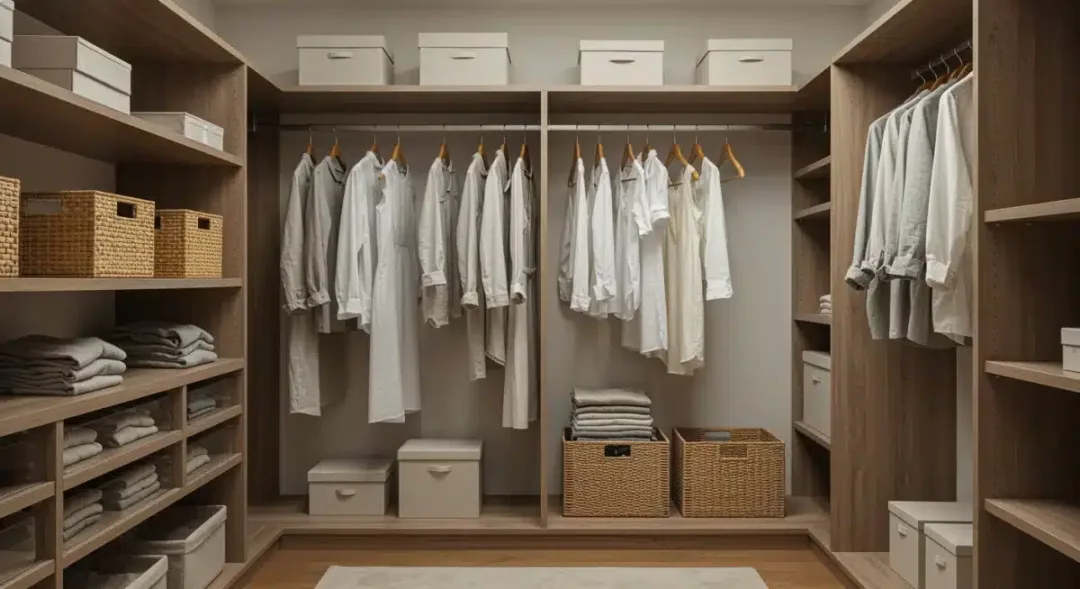
This guide provides practical closet organization hacks that help you double your storage space in under one day using proven techniques like vertical stacking, cascading hangers, and strategic container placement.
Ads
If you have ever stood in front of a bursting closet, wondering where everything went wrong, you are not alone. The average American household owns more clothing than ever before, yet closet space remains largely unchanged. Maximize Your Closet Space: Double Your Storage with These Organization Hacks in Under 1 Day is not just a catchy phrase—it is a practical approach that transforms chaotic storage into an efficient system. This article walks you through proven strategies that work for any closet size, helping you reclaim your space without spending a fortune. You will discover how to reorganize what you already own, identify items that deserve a place, and create a system that stays tidy long after the initial overhaul.
Ads
Assessing What You Have Before You Organize
Every successful closet transformation begins with honest assessment. Before buying a single new organizer, pull everything out and face the full scope of your belongings. This step feels overwhelming, but it reveals patterns you might have missed while items were hidden behind doors.
Sort your items into four clear categories: items you wear regularly, seasonal pieces, sentimental pieces, and things that no longer serve you. The last category often surprises people—it typically contains clothes that no longer fit, items damaged beyond repair, or pieces you bought with good intentions but never wore.
The Donation and Discard Pile
Be ruthless but kind when deciding what goes. Items in good condition deserve a second life through donation. Many local charities accept clothing, and some will even pick up larger donations from your home. Remember that letting go creates space for what actually matters in your daily routine.
- Clothes that have not been worn in the past year likely will not be missed
- Items with stains, tears, or missing buttons should be recycled or discarded responsibly
- Duplicate items (three black cardigans, really?) can be reduced to one or two
- Seasonal items can be stored elsewhere, freeing up everyday closet space
Once you have separated the keepers from the rest, you will likely find that your actual storage needs are far smaller than you imagined. This realization alone can double your available space without buying anything at all.

Vertical Space: The Untapped Resource in Every Closet
Most closets waste valuable vertical space above the clothing rod. That gap between your hanging clothes and the shelf above is prime real estate that rarely gets utilized effectively. Solving this problem requires looking up—way up.
Double rod systems work wonders in closets with sufficient height. The lower rod holds everyday items at easy reach, while the upper rod stores seasonal or less frequently worn pieces. This simple change can effectively double your hanging capacity without expanding the closet footprint.
Shelf Dividers and Stack Solutions
Once you address the vertical hanging space, turn attention to shelving. Open shelves tend to become dumping grounds for folded clothes that eventually collapse into messy piles. Shelf dividers keep stacks separate and prevent the dreaded avalanche when you reach for a single item.
- Acrylic dividers create instant separation on any shelf
- Stackable bins maximize deep shelf space while keeping contents visible
- Uniform baskets create visual consistency and hide miscellaneous items
- Risers elevate items, creating double-decker storage on a single shelf
The key is maintaining uniform heights when possible. Stacked sweaters look tidier and stay neater longer when they are roughly the same height. This visual organization also makes it easier to find what you need without rifling through everything.
The Power of the Right Hanger
It seems small, but hanger choice dramatically impacts closet capacity. Bulgy wooden hangers take up significant space, while thin velvet hangers nestle together efficiently. Making the switch feels like a minor adjustment, but the cumulative effect surprises most people.
Cascading hangers take this concept further by adding a hook system that hangs one hanger from another. This approach can double or even triple your rod space depending on closet height. The cascading effect works especially well for pants, skirts, and lighter tops.
Matching Hangers for Visual Calm
Beyond functionality, uniform hangers create visual harmony that makes closets feel larger and more organized. When every hanger looks the same, your eye focuses on your clothes rather than the storage hardware. This psychological trick makes small closets feel more spacious.
- Velvet hangers grip fabrics effectively and prevent slipping
- Children’s closets benefit from matching junior hangers that fit smaller garments
- Specialized hangers exist for pants, scarves, and accessories
- Replace broken or mismatched hangers gradually as budget allows
Invest in quality hangers that will last years. The upfront cost pays off in durability and the daily pleasure of opening a well-organized closet.
Container Systems That Actually Work
Containers get a bad reputation because people buy them before understanding their needs. A container system should solve a specific problem, not just look pretty on a shelf. Before purchasing anything, map out exactly what each container will hold.
Clear containers win for most situations because they let you see contents without opening every box. This saves time and prevents the forgotten-items phenomenon where things disappear into containers only to be rediscovered years later.
Labeling: The Secret to Container Success
Labels transform containers from decorative boxes into functional storage systems. When every family member knows where things belong, maintenance becomes effortless. Handwritten labels add personal charm, while printed labels offer clean uniformity.
- Label each container with its contents and category
- Include seasonal markers for items rotated throughout the year
- Update labels when contents change to prevent confusion
- Consider adding dates to seasonal items for rotation reminders
Place frequently used items in easily accessible containers. Reserve high shelves or difficult-to-reach spots for items used rarely, like formal wear or holiday costumes.
Zone-Based Organization for Daily Efficiency
Professional organizers often use zoning principles, and this approach works beautifully in residential closets. Rather than organizing by item type alone, create zones based on how you actually dress and live.
The primary zone contains everyday essentials—clothes you reach for most often. These items should require zero effort to access. A secondary zone holds work-specific pieces or workout clothes. A third zone stores special-occasion items that see limited use.
Creating Logical Flow
Arrange zones to match your morning routine. If you typically dress from left to right, arrange your closet the same way. Place items for your most common activities in the easiest-to-reach locations. This intuitive arrangement saves time and reduces decision fatigue.
- Eye-level zones hold most-used items for easy access
- Lower zones work well for heavy items or shoes
- Higher zones store seasonal or rarely needed pieces
- Consider lighting when placing zones to see all items clearly
The goal is creating a system where everything has a natural home and returning items takes less effort than leaving them out.
Maintenance Strategies for Long-Term Success
Organization is not a one-time project but an ongoing practice. The best systems include built-in maintenance triggers that keep chaos from returning. These triggers do not require willpower because they are designed into the system itself.
The one-in-one-out rule prevents accumulation. For every new item entering your closet, one item must leave. This simple boundary keeps storage from growing beyond its bounds without requiring constant attention.
Quick Reset Routines
Schedule brief reset sessions rather than waiting for chaos to accumulate. Ten minutes weekly prevents the overwhelm that leads to avoidance. These sessions keep everything in its place and catch problems before they grow.
- Rotate seasonal items monthly to keep current items accessible
- Check donation bags monthly and deliver them promptly
- Review hanger and container capacity quarterly
- Photograph organized closets for motivation when things slip
Teach household members the system and assign responsibility for their own items. When everyone participates, maintenance becomes collective rather than burdensome.
Common Mistakes That Undermine Your Efforts
Even well-intentioned organization attempts fail when common pitfalls go unchecked. Understanding these mistakes helps you avoid them from the start.
Buying organizers before assessing needs leads to solutions looking for problems. That expensive container system might not fit your actual items or closet dimensions. Assessment first, shopping second.
Over-Organizing and Under-Maintaining
Extremely elaborate systems often fail because they require too much effort to maintain. The perfect organization system means nothing if it sits empty because it is too complicated to use. Start simple and add complexity only when needed.
- Resist the urge to categorize beyond practical necessity
- Leave space for growth rather than packing every inch
- Avoid sentimental attachments to containers over contents
- Recognize that good enough is often better than perfect
Remember that your closet serves your life, not the other way around. If a system does not make your daily routine easier, it needs adjustment.
| Key Strategy | Brief Description |
|---|---|
| Vertical Space Maximization | Install double rods and use shelf dividers to double hanging and stacking capacity |
| Smart Hanger Selection | Switch to slim velvet hangers and cascading hooks to maximize rod space |
| Zone-Based Organization | Create daily, work, and occasion zones matching your routine for easy access |
| Container Labeling System | Use clear containers with detailed labels to maintain order and find items easily |
Frequently Asked Questions
How long does a complete closet organization project take?▼Most closet transformations take between four to eight hours for a single weekend, depending on closet size and current condition. Breaking the project into two sessions often works better—dedicate the first day to sorting and purging, then return the next day for organizing and container placement. This approach prevents fatigue and allows thinking time between phases.
What is the most important closet organization hack for small spaces?▼Vertical space utilization ranks as the most impactful strategy for small closets. Installing a double rod system effectively doubles your hanging capacity without expanding the footprint. Adding shelf risers creates double-decker storage on existing shelves. Combined with slim velvet hangers that reduce rod space by thirty percent, these changes can double usable storage in spaces that feel impossibly small.
Should I buy expensive organizer systems?▼Expensive systems are not necessary for effective organization. Many affordable solutions work equally well—repurposed shoeboxes for small items, tension rods for dividers, and basic clear containers from discount stores all perform admirably. Save premium purchases for high-use items like hangers that you touch daily. Start with what you have and upgrade gradually as needs become clear.
How do I maintain closet organization long-term?▼Implement the one-in-one-out rule to prevent accumulation, schedule monthly ten-minute reset sessions to catch drift early, and rotate seasonal items quarterly. Label everything clearly so household members can return items to correct locations without guessing. Take a photograph of your organized closet for motivation when maintenance feels tedious.
What should I do with items I am not ready to donate but do not wear?▼Create a designated “maybe” box stored outside your main closet, perhaps in a garage or spare room. Give yourself a deadline—three months works well—and if you have not reached for those items, donate them without guilt. This compromise allows breathing room while preventing indefinite holding of unused pieces. Some people find that boxing seasonal items works similarly for occasional use pieces.
Conclusion
Transforming your closet from chaos to calm does not require professional help or expensive systems. The strategies in this guide—vertical space maximization, smart hanger selection, zone-based organization, and consistent maintenance—work because they address the root causes of closet clutter. You now have a complete roadmap to double your storage in under one day, using what you likely already own plus a few strategic purchases. The hardest part is starting, but once you see the transformation, maintaining your newly organized space becomes second nature. Your organized closet awaits—all it takes is one focused day and the willingness to reclaim your space.
Written by
Lucas Bastos
Lucas Bastos writes about home finds for hype.clothesshein.com. Each article explains how things work, compares published details such as prices, policies and program rules, and points readers to the official source before they decide.